

Contact Info

98 Post St, Maxuel Street, Frankfurt

575 Market St, Maxuel Street, Frankfurt

  • +2858 62359 32159

Dashboard

Website

Snap Learn

OVERVIEW

Project Overview

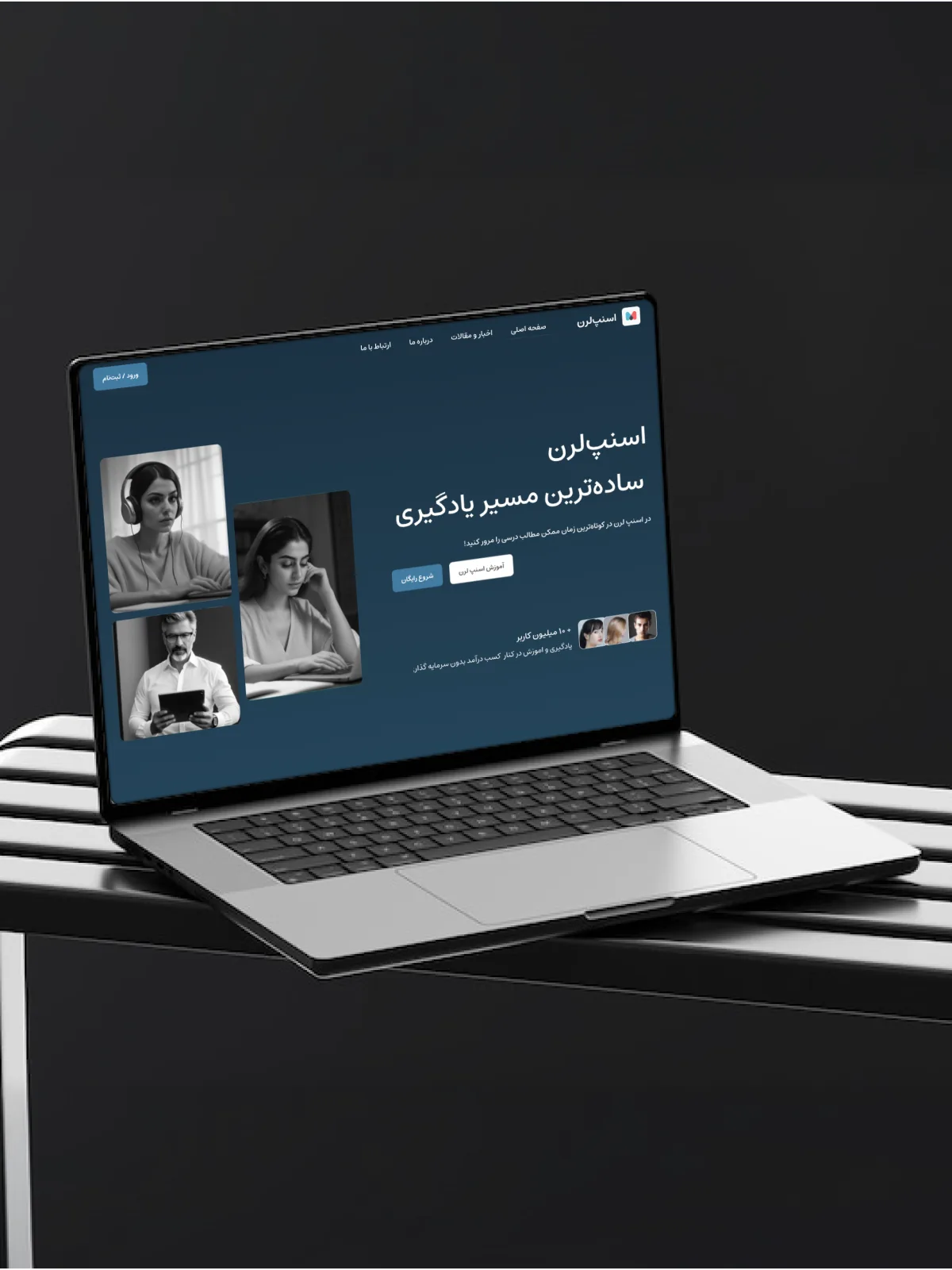
Snap Learn is a flashcard-based learning platform that connects instructors and learners within a unified system. The project focused on designing a seamless experience for creating, publishing, and studying flashcards using a Leitner-based learning model. Users can both create private content and participate in a shared educational ecosystem.

Figma
PS
AI

Project Type

Website (Learning Platform)

My Role

UX/UI Designer, Data Architecture

Timeline

6 months

SCOPE

What I Had Done on this Project :

Product Discovery

Product Discovery

01

Usability test

User Flow

02

Wirefram

Wireframes

03

Ui Design

UI Design

04

PROBLEMS

UI/UX Challenges

In Snap Learn, challenges extended beyond interface design and were deeply rooted in data complexity, diverse usage scenarios, and the simultaneous needs of two main user groups (instructors and learners). The goal was to design a flexible system without exposing users to structural or decision-making complexity. Key challenges are outlined below:

01

Complexity in defining and separating user roles

Users enter the system as either “instructors” or “learners,” but these roles may overlap in certain scenarios. The challenge was to create a clear structure for permissions and workflows while maintaining seamless interaction between roles without confusion.

02

Multi-layered content publishing & monetization structure

A flashcard pack can exist in multiple states: personal use, standalone product, or class-based (private/public). This required designing a coherent structure for content placement, pricing models, and access levels, without overwhelming users with decisions.

03

Collaborative content creation between multiple instructors

In some cases, multiple instructors co-create and edit a single pack. The challenge was to support collaborative workflows while preventing conflicts, accidental data loss, or overwriting changes, all within a simple and understandable system.

04

Content updates without disrupting learning progress

Content changes and pack edits should not disrupt or reset the learner’s recorded learning progress. The system needed to decouple content updates from user progress data to ensure continuity in the learning experience.

SOLOUTION

How I Solved Challenges

The design approach focused on structuring complexity at the data level while simplifying the user experience layer:

01

Product & UX Strategy

Clear role definition and user flows:
Instructor and learner journeys were designed separately, with controlled touchpoints (e.g., purchase, publish, study) to avoid cognitive overlap.

Habit-driven learning experience
Daily return loops were designed using notifications and the Leitner system to encourage consistent engagement.

Simplified Leitner logic for end users
The complexity of spaced repetition was abstracted into simple interactions (“Know / Don’t know”) for better usability.

02

Information Architecture & Data Modeling

Structured content hierarchy
Three main layers were defined:
personal packs / standalone products / class-based packs
each with independent publishing and access logic.

Access control and ownership modeling
Each pack includes clearly defined roles (owner, collaborator, buyer) and access levels (private, public, class-based).

Scalable data architecture for collaboration
Supports multi-instructor editing with conflict-aware logic and structured handling of changes.

Progress persistence system
Content updates do not reset or interfere with the learner’s progress, ensuring continuity in the learning experience.

03

Interaction & UI Design

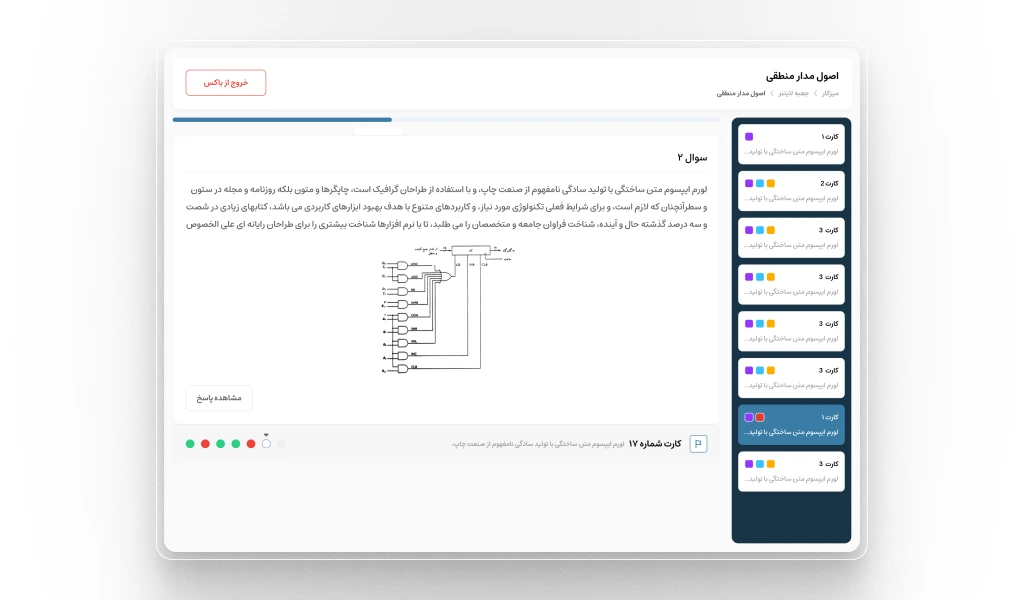
Optimized flashcard creation flow
Reduced friction in creating cards, with seamless addition of Q&A and media (image, video, audio).

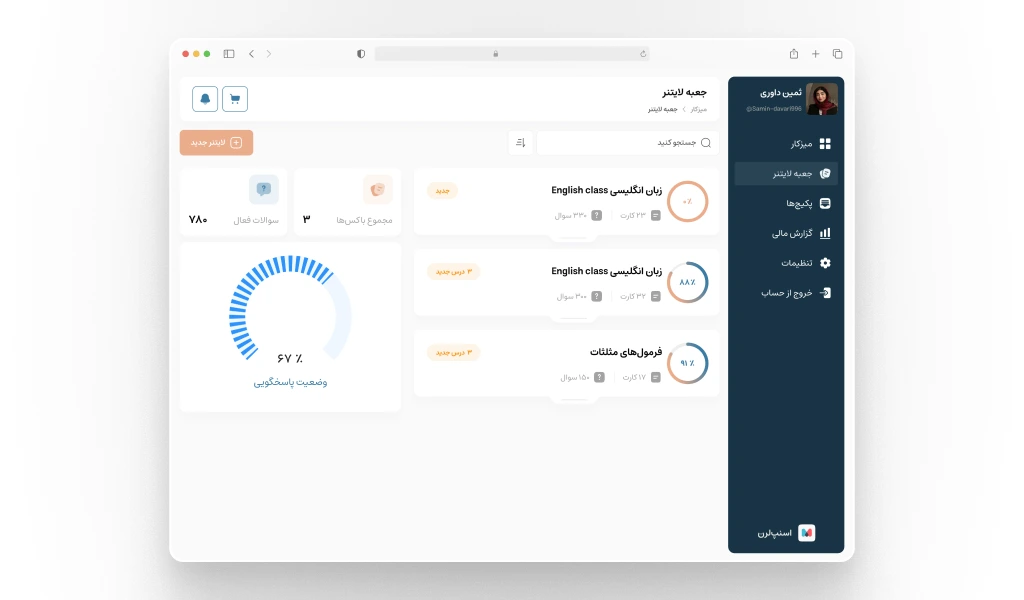
Clear learning progress visualization
Progress indicators and card states are presented in a transparent and easy-to-understand way.

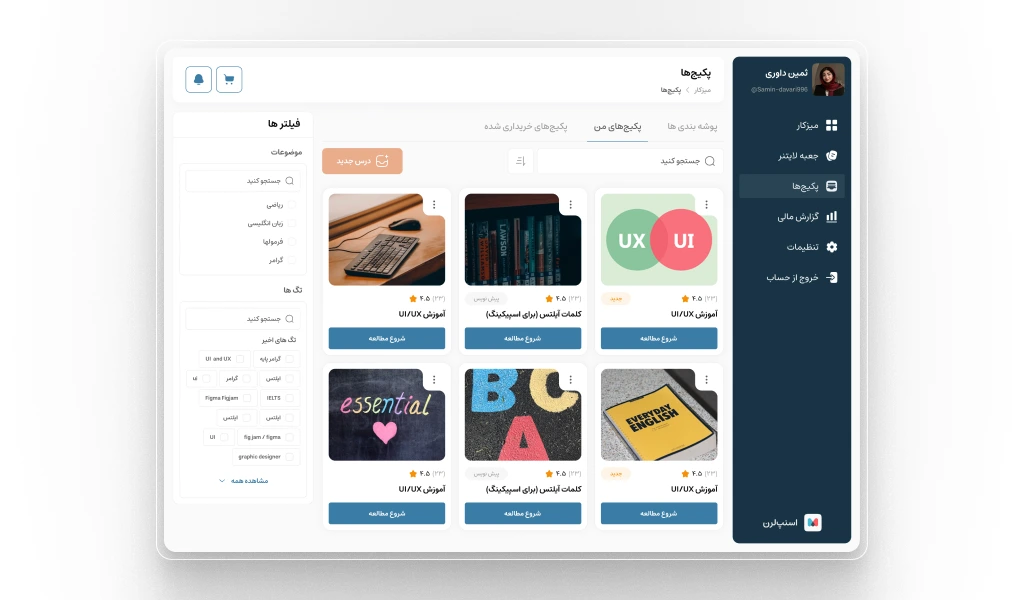
Custom categorization for quick access
Users can create contextual collections (e.g., exam mode) for faster review.

High-clarity primary actions
Core actions (create, purchase, study) are easily accessible and visually prioritized.

04

Scalability & System Thinking

Designed for growth and extensibility
The content and publishing model supports future expansion (e.g., new monetization models).

Flexible monetization structure
Supports multiple selling formats without system conflict.

Reduced collaboration conflicts
Clear role definitions and editing behaviors prevent data overwrites and user errors.

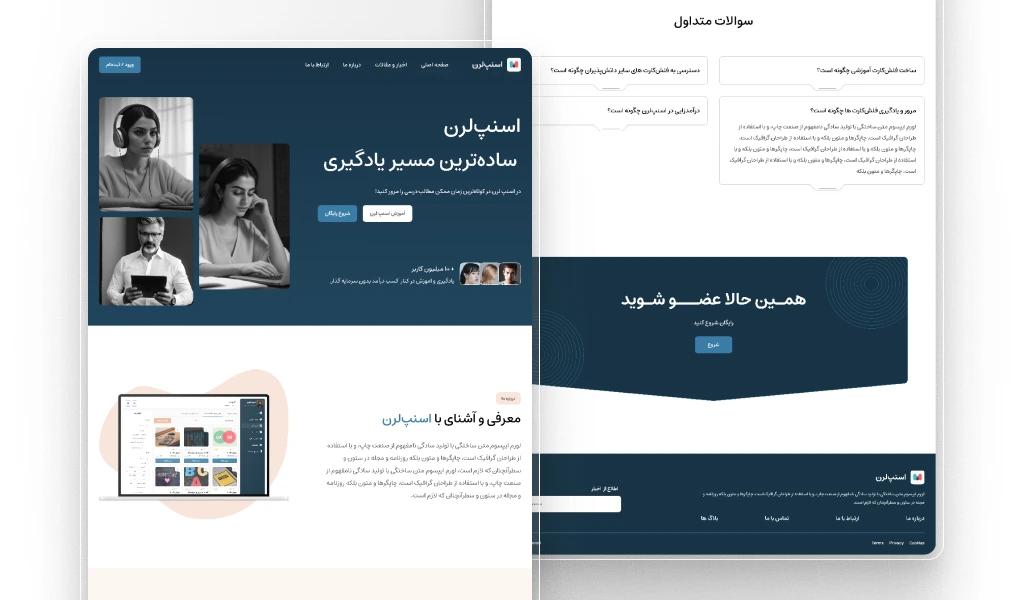
Final Design

The final product delivers a scalable and structured platform where users can easily create, distribute, and study flashcards without being exposed to system complexity.
The interface emphasizes clarity and direct access to key actions such as creating, purchasing, and studying.

Outcome

  • Faster onboarding into the learning flow
  • Simplified content management for instructors
  • Increased daily engagement through habit-based learning
  • Managed system complexity without compromising usability
Project Showcase
animation-image
animation-image
animation-image
animation-image
animation-image
animation-image
animation-image
animation-image
Dashboard, Website

Online Doctor Appointment Booking Platform

Doctor reserve appointment platform
Dashboard, Website

Snap Learn

Application, Website

Light Map
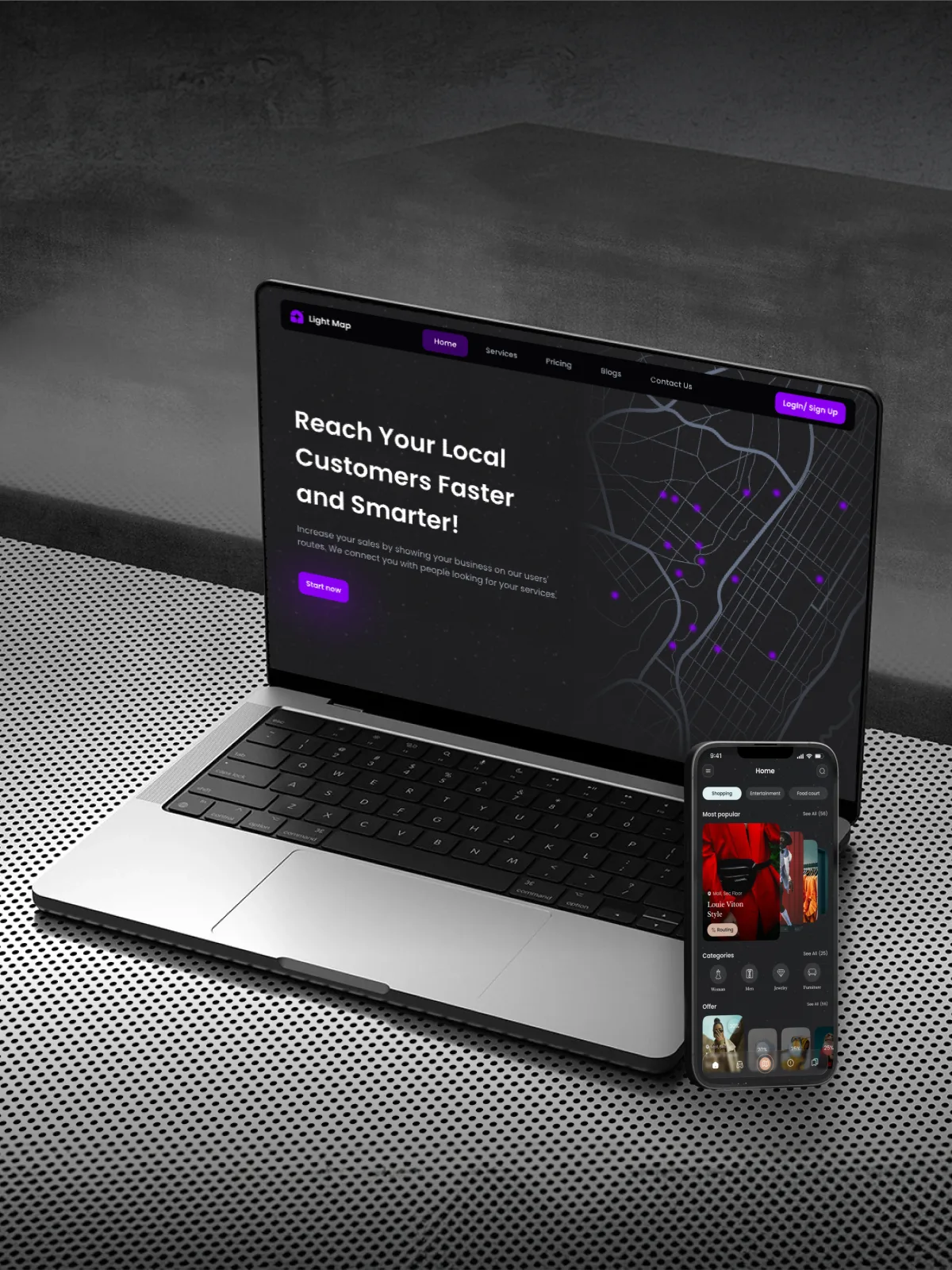
Website

Narnia Pet-Shop
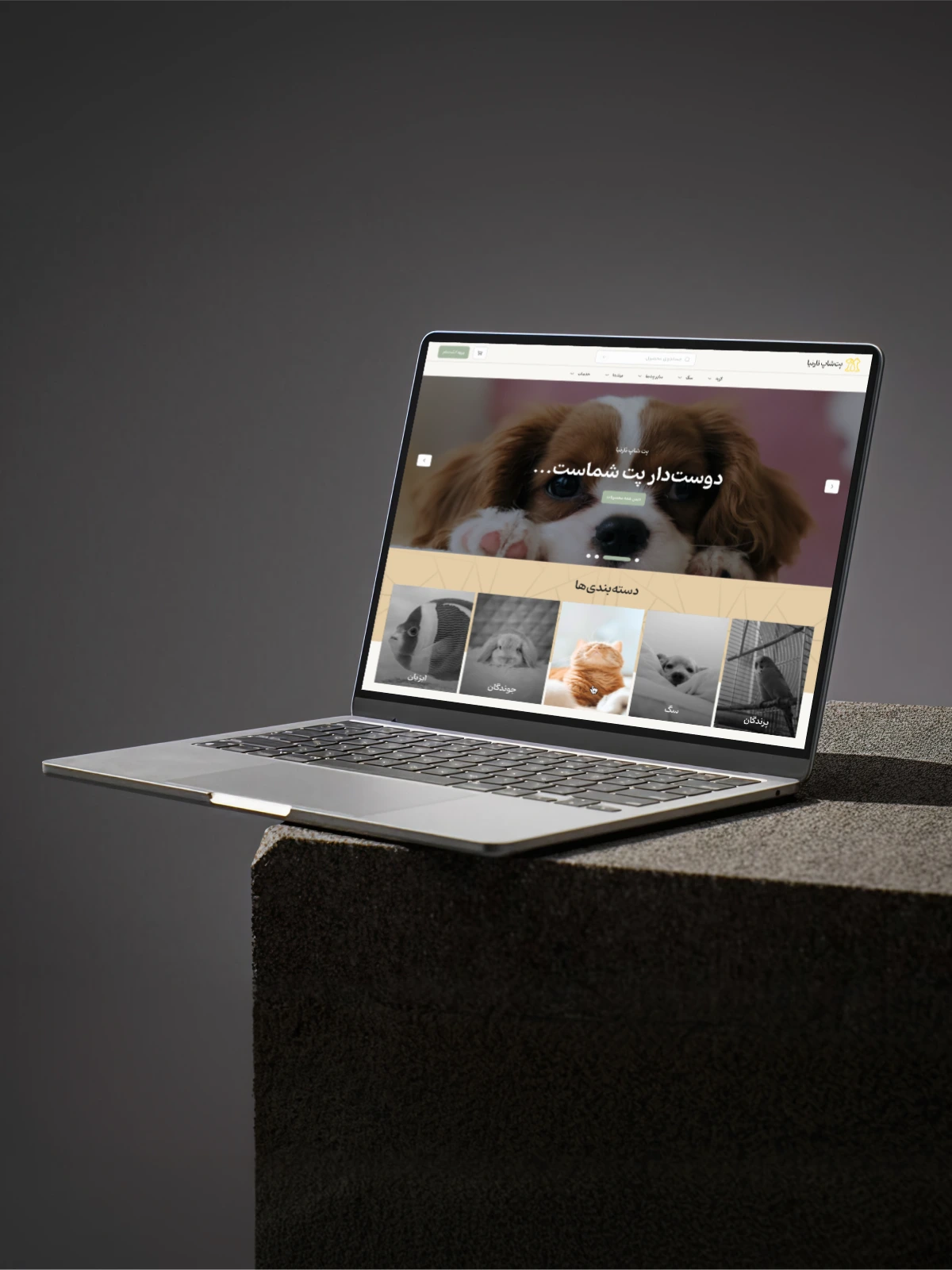
Application, Website

Smart LMS
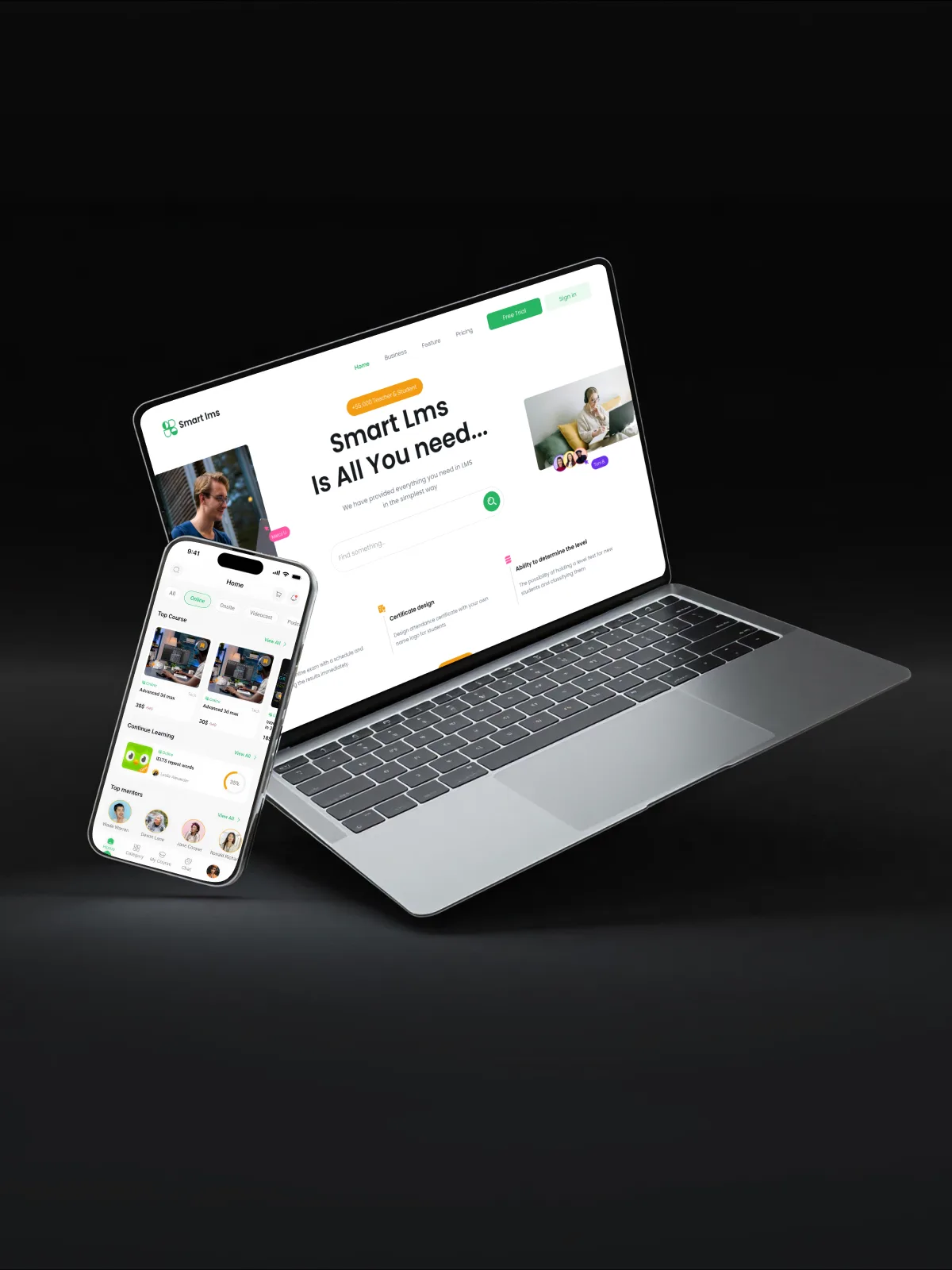
Application

Liom Period Tracker​

Application

Trippy